I am pretty sure that I am not the first to explain the importance and benefits of sun protection. Skin is the largest organ of our body which protects our body from germs and other external aggressors along with regulating our body’s temperature as well, and we all know how essential it is to take care of our skin because it is no less important than any other organ of our body. Therefore, it would be pretty evident for me to state that sun protection doesn’t just protect us from harmful UV rays and prevents sunburns but also reduces premature skin ageing, lowers the risk of skin cancer and helps to keep an even complexion. So, to summarize it all, sun protection is highly essential and a must-do part of any skincare routine that should not be overlooked at any cost because that cost could mainly be the health of your preciously beautiful skin.
THE DIFFERENCE BETWEEN SUNSCREEN AND SUNBLOCK.
As we all know the importance of sun protection, not many of us know the difference between sunscreen and sunblock. I cannot shed enough light on how important it is for us to know and understand the ingredients of our product and have an idea about how they work. To adopt a skincare routine that is highly effective and completely healthy, one has to know what products and ingredients they are using. Here, I am going to explain the difference between sunscreen and sunblock, so next time while going to a supermarket or a pharmacy, you should already know what you need to choose.
Sunscreen and sunblock are two different forms of sun protection, and I have seen a lot of people using these terms without knowing the actual difference. Sunscreen is more commonly used than sunblock. It helps filter the UV rays, keeping most of the rays out but letting some of them in. it may also be known as chemical sunscreen. However, on the other hand, as the name implies, a sunblock helps block all the UV rays reflecting them away from the skin, also known as a physical sunscreen. Both of them are effective forms of sun protection, and we would not advise using one over the other. The key is to choose according to your skin type, and you are good to go.
CHEMICAL VS PHYSICAL SUN PROTECTION.
Chemical sunscreens include active ingredients such as oxybenzone, avobenzone, and para-aminobenzoic acid (PABA). They penetrate the skin and absorb the sun rays, protecting the skin from sun damage.
Physical sunblock defends the UV rays physically. They mainly include ingredients like zinc oxide and titanium oxide, which makes them sit on top of the skin and act as a barrier. Physical sunblocks are usually opaque and noticeable as they leave a white residue on the skin.
Now, the question is which one to choose.
People with sensitive and irritated skin or skin prone to allergy should use physical sunblock. It won’t go deep into the skin and would not mess with such skin conditions causing sensitivity or irritation. Active ingredients like zinc oxide and titanium dioxide are easily tolerated on such skins and are also typically found in child products.
Those with normal or non-sensitive skin can safely go with chemical sunscreens. Because even if it would penetrate deep into the skin, it would not create any skin issues.
SOME “NOT SO COMMON, YET IMPORTANT” TERMS RELATED TO SUN PROTECTION.
● UVA Rays and UVB rays:
Ultraviolet A rays have a longer wavelength and are mainly responsible for skin ageing. However, ultraviolet B rays have a shorter wavelength and can burn skin.
● Broad Spectrum:
Whether chemical or physical, always look for broad-spectrum sun protection. If a sunscreen or a sunblock has been labelled a broad-spectrum, it means it can protect from both UVA and UVB rays. And obviously, we need to be protected from both.
● Water-resistant:
No sunscreens and sunblocks are waterproof. However, it should be water-resistant. It means the product would not be effective after being 40 minutes under the water; re-application would be necessary after that. So always get yourself a sun-protecting product that is water-resistant.
● SPF:
SPF stands for sun protection factor. It denotes how long it will take for the UV rays to redden your skin while using the product compared to the amount of time it will take without any sun protection.
For example, if you are wearing sunscreen with an SPF 30, it means it will take your skin 30 times longer to burn than, as compared to what it could have been without any sun protection. For an SPF 50, it would take 50 times longer.
However, it is necessary to note that SPF (sun protection factor) is not linear. An SPF number always refers to the amount of protection it provides from the UVB rays because UVB rays are a little more energetic than UVA rays.
I know it would be a little confusing, but let me break it down a little so you can understand better. As it has already been stated that SPF is not linear, it actually works like this:
• SPF 15 blocks 93% of UVB rays
• SPF 30 blocks 97% of UVB rays
• SPF 50 blocks 98% of UVB rays
So basically, sunscreens with high SPFs, such as SPF 75 or SPF 100, don’t provide significantly greater protection and make us believe that we are fully protected, whereas no sunscreen provides 100 per cent protection. Therefore, choose yours wisely and don’t just opt for the higher SPFs; the more is not always better.
Here are some best sun-protecting products that you can start using right away and get yourself protected.
BEST FOR ACNE-PRONE SKIN:
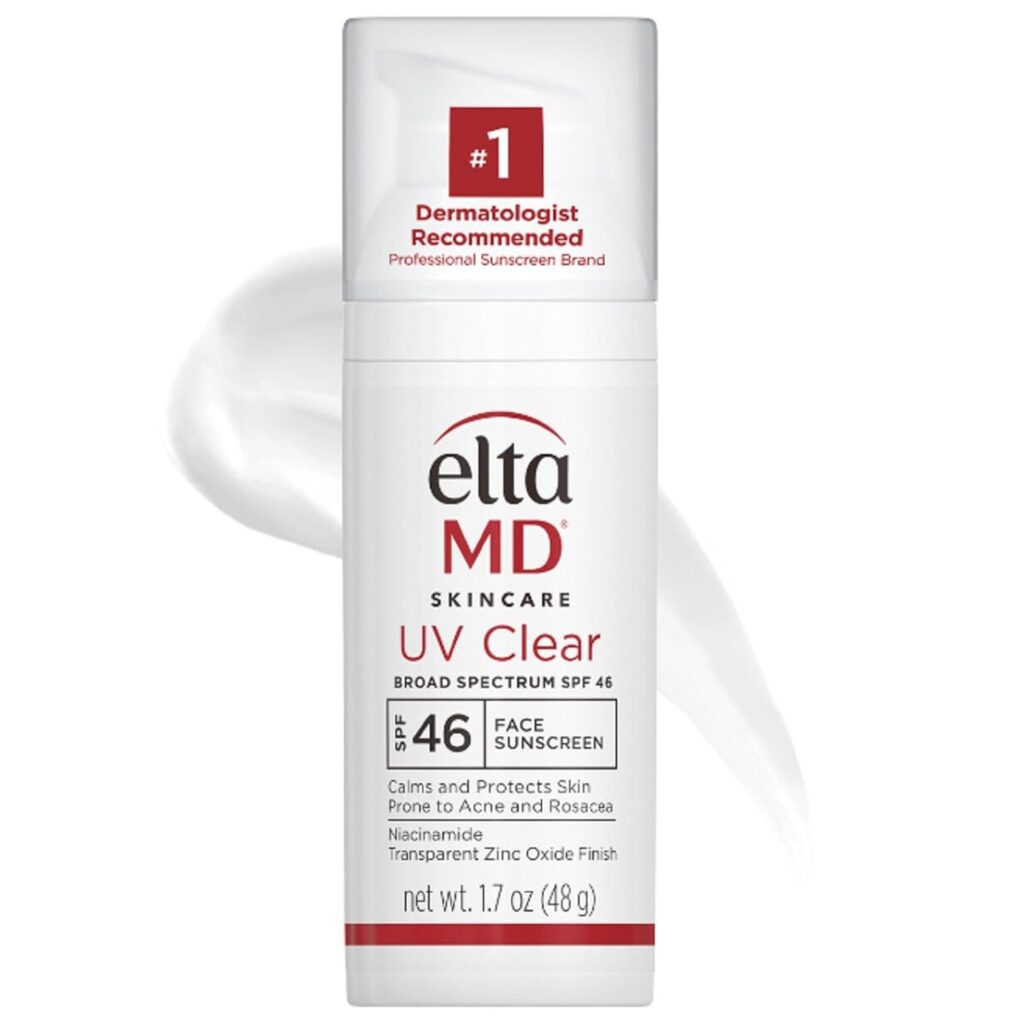
● EltaMD UV Clear Face Sunscreen SPF 46:
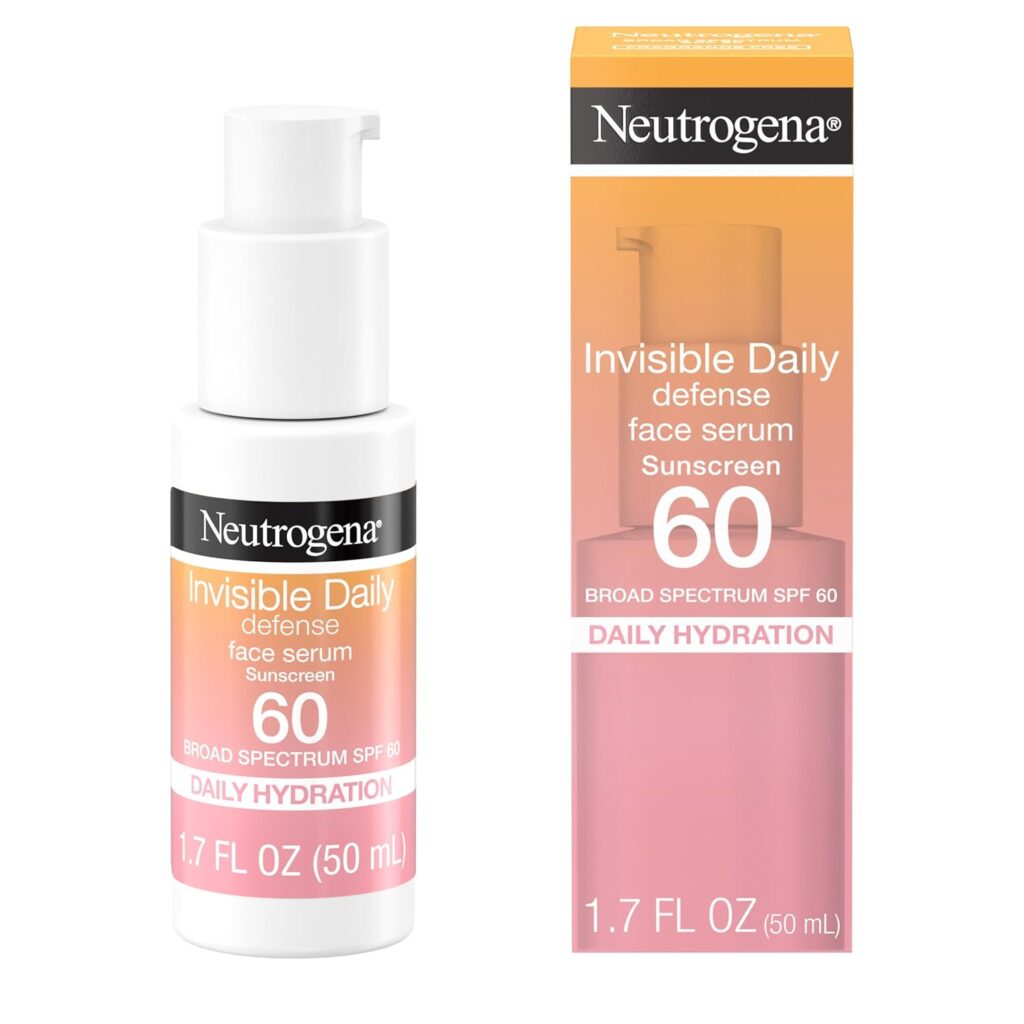
● Neutrogena Invisible Daily Defense Broad Spectrum SPF 60:
BEST FOR DRY SKIN:
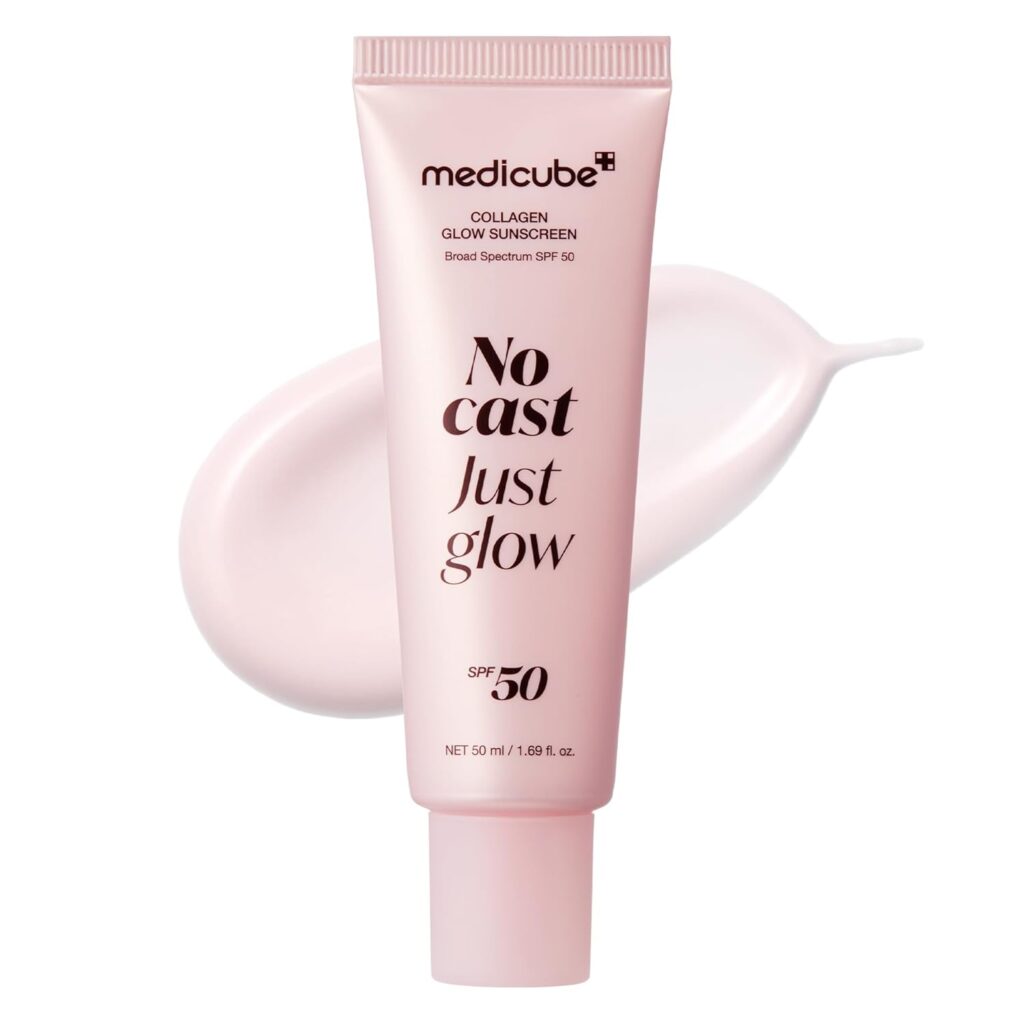
● Medicube No Cast Just Glow Collagen Sunscreen SPF 50:
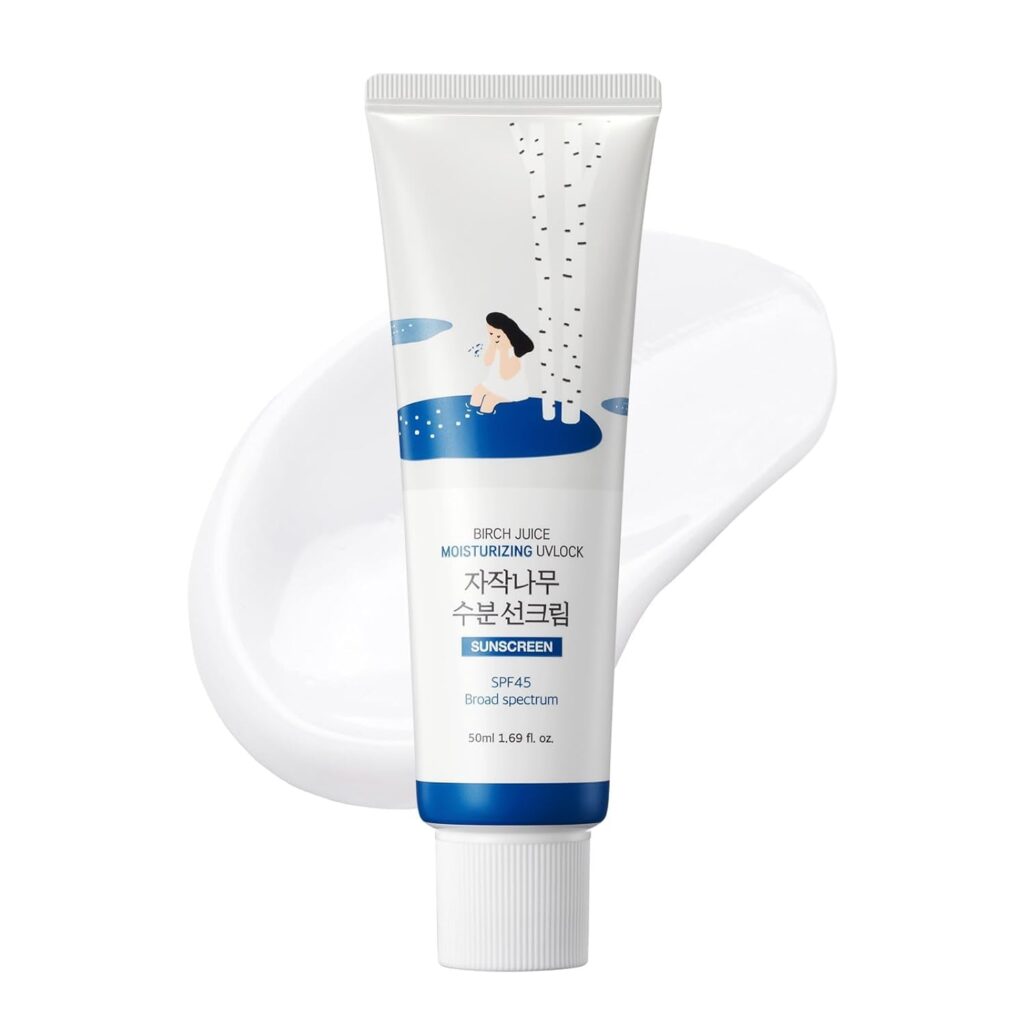
● ROUND LAB Birch Juice Moisturizing UV LOCK SPF 45:
BEST FOR SENSITIVE SKIN:
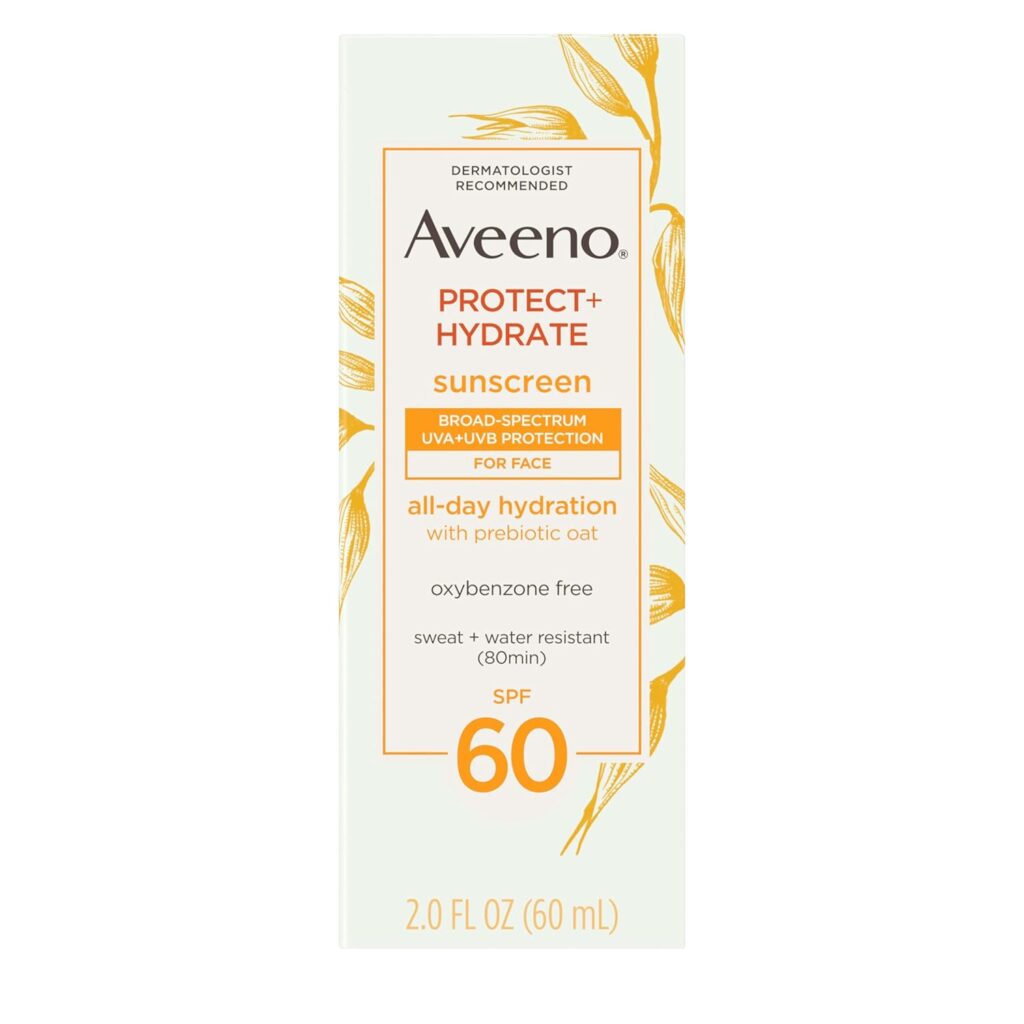
● Aveeno Protect + Hydrate Face Sunscreen SPF 60:
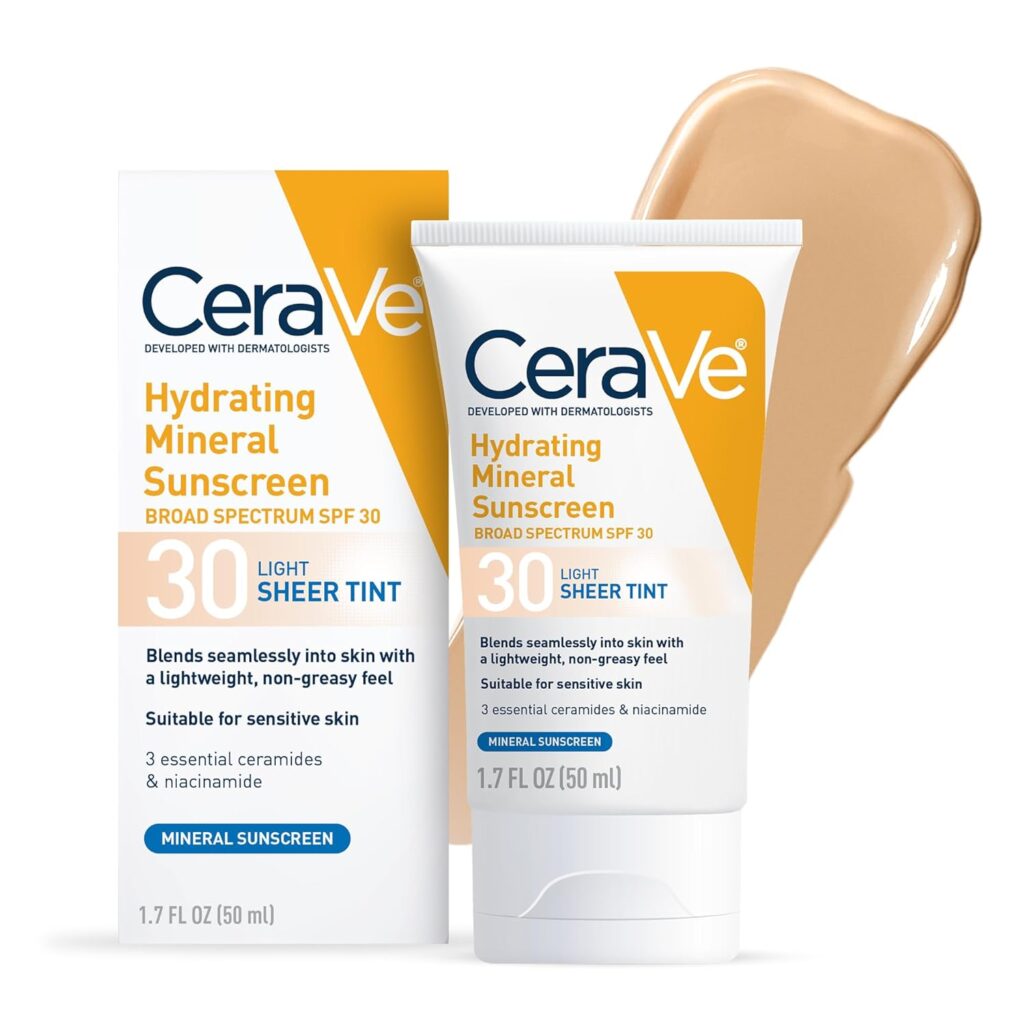
● CeraVe Hydrating Mineral Sunscreen SPF 30:
BEST FOR NORMAL TO COMBINATION SKIN:
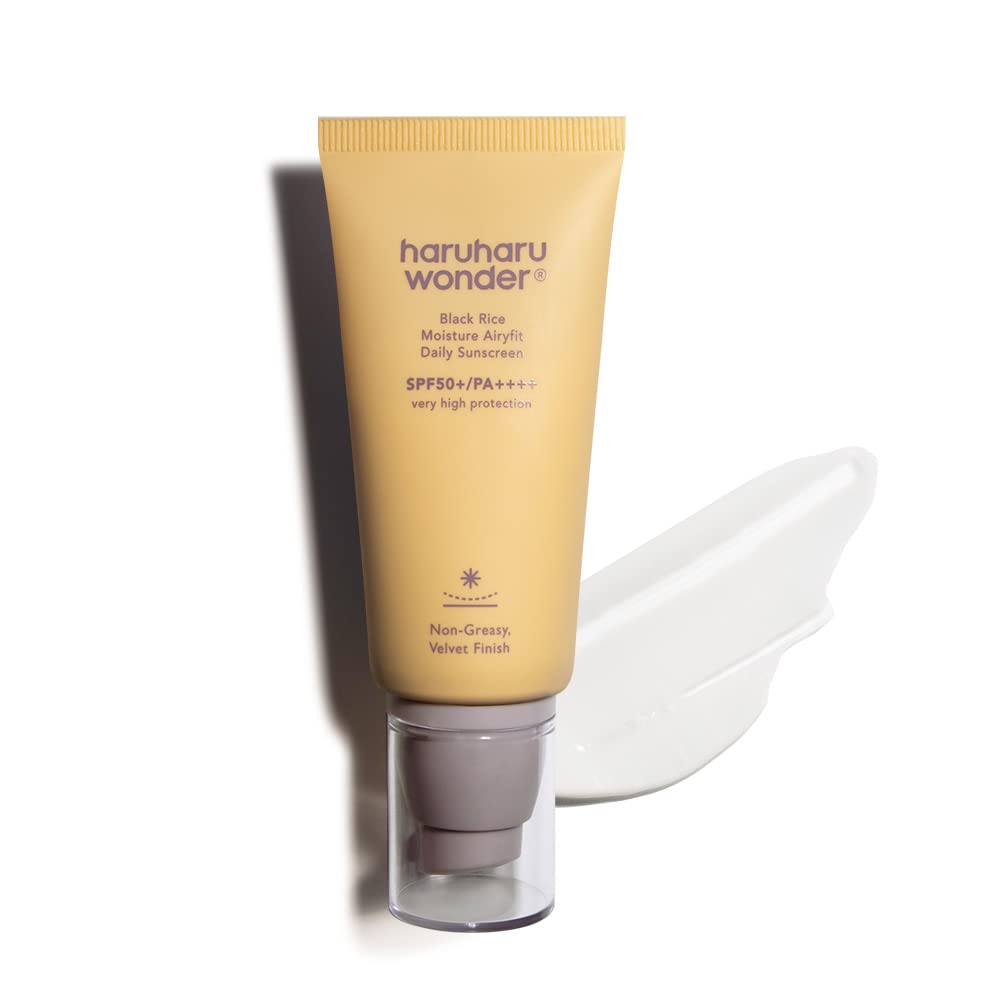
● Haruharu Wonder Black Rice Moisture Airyfit Daily Sunscreen SPF 50:
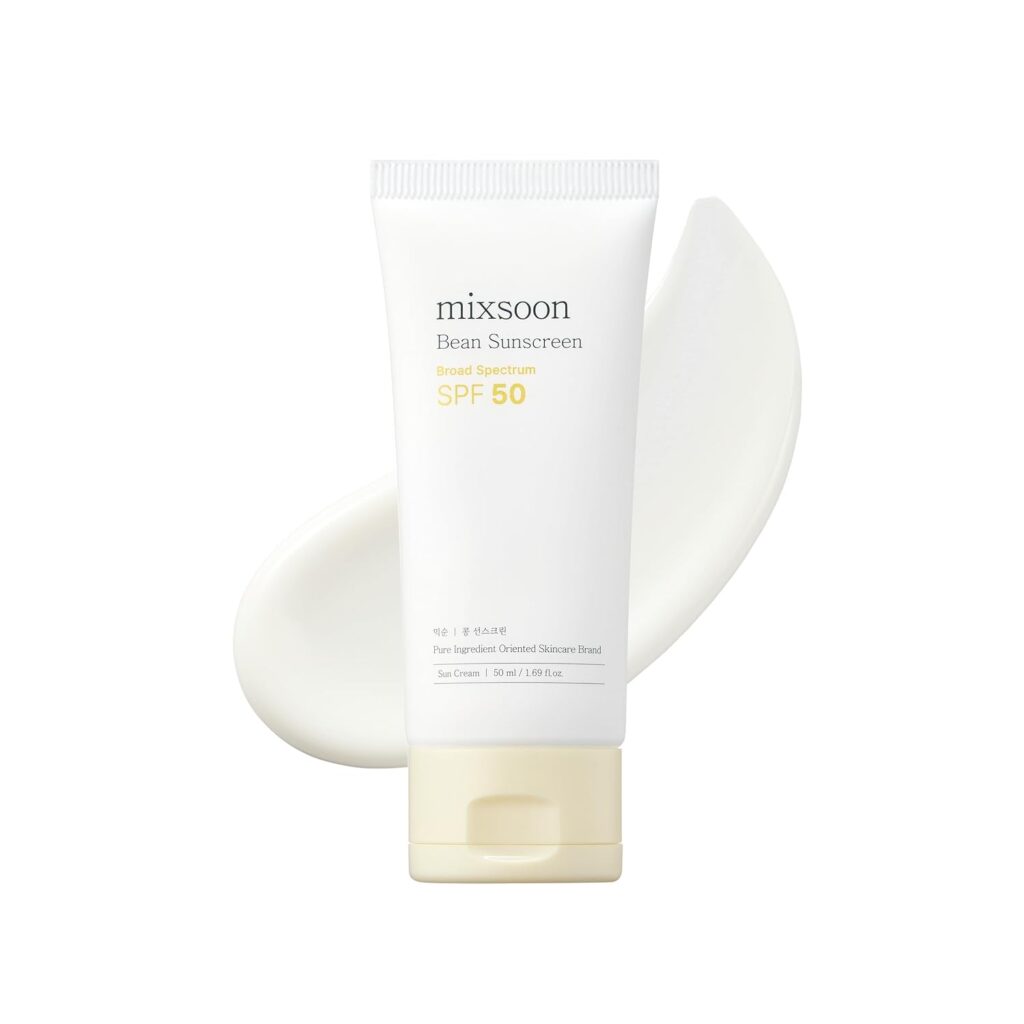
● Mixsoon Bean Sunscreen-Lightweight Airy Texture SPF 50:
BEST FOR BABIES:
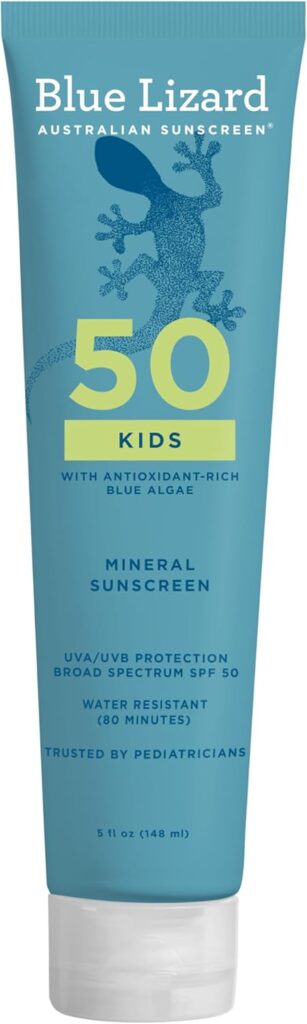
● BLUE LIZARD Kids Sunscreen Lotion SPF 50:
BEST SUNSCREEN AS A MAKEUP PRIMER:
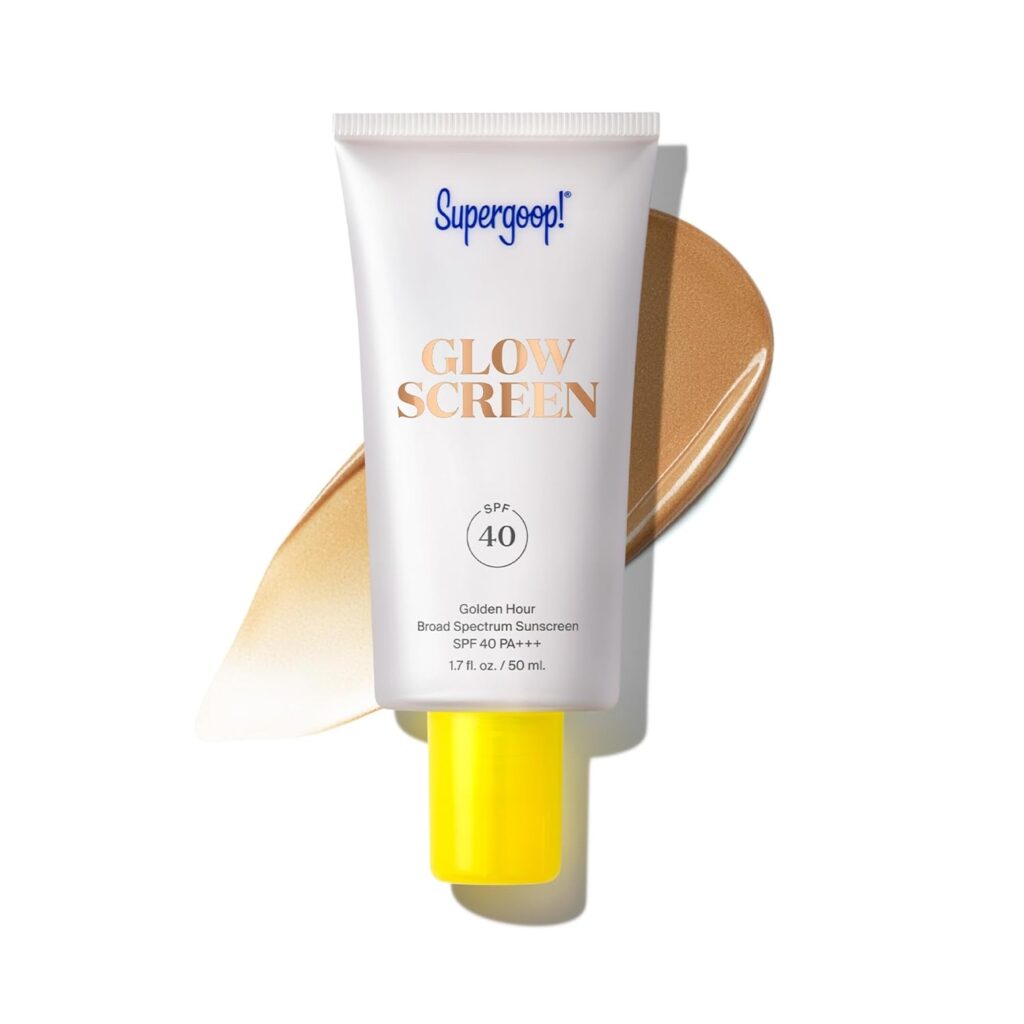
● Supergoop! Glowscreen SPF 40 Golden Hour:
VEGAN AND REEF FRIENDLY:
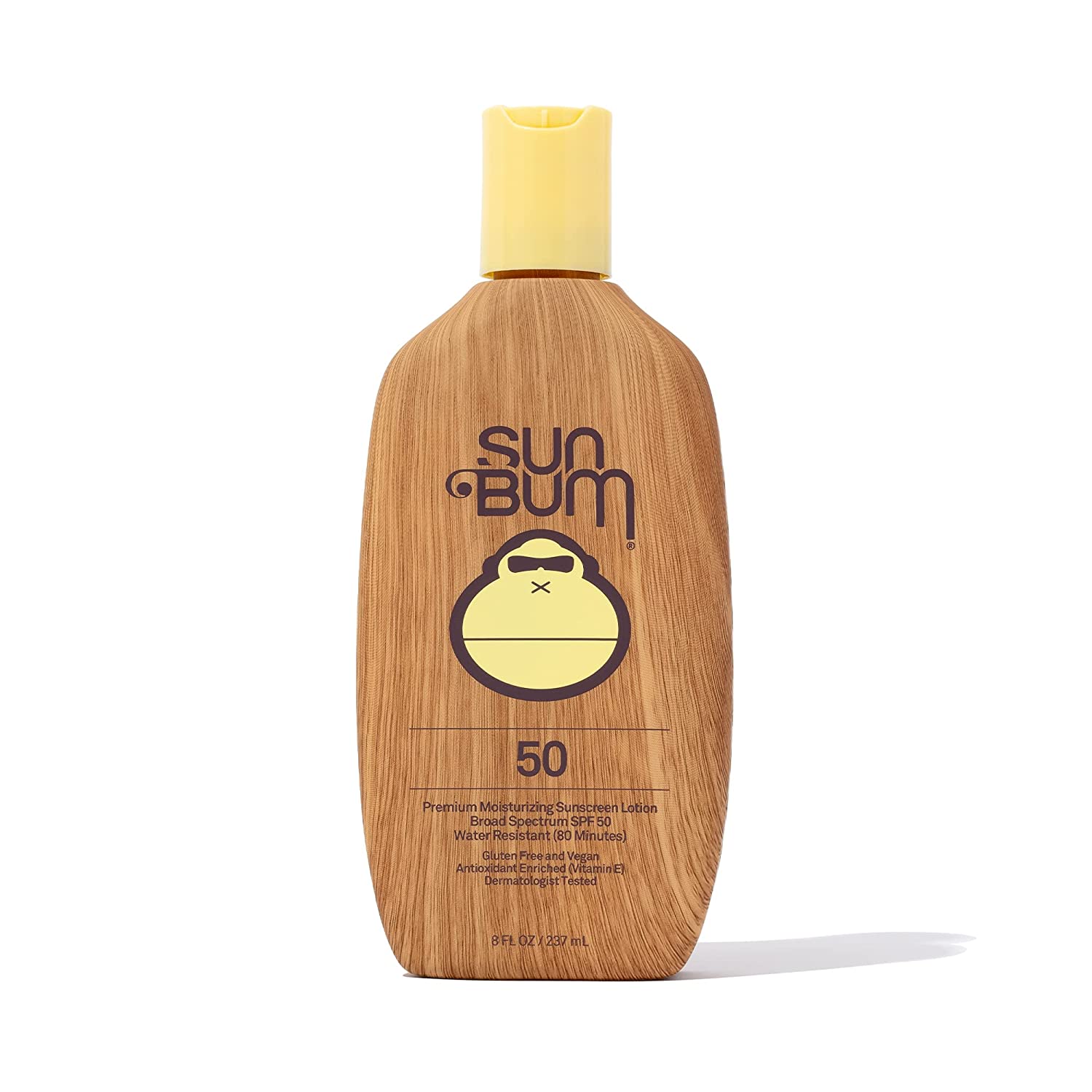
● Sun Bum Original SPF 50 Sunscreen Lotion:
BEST SUNSCREEN STICKS – IDEAL FOR SWIMMING:
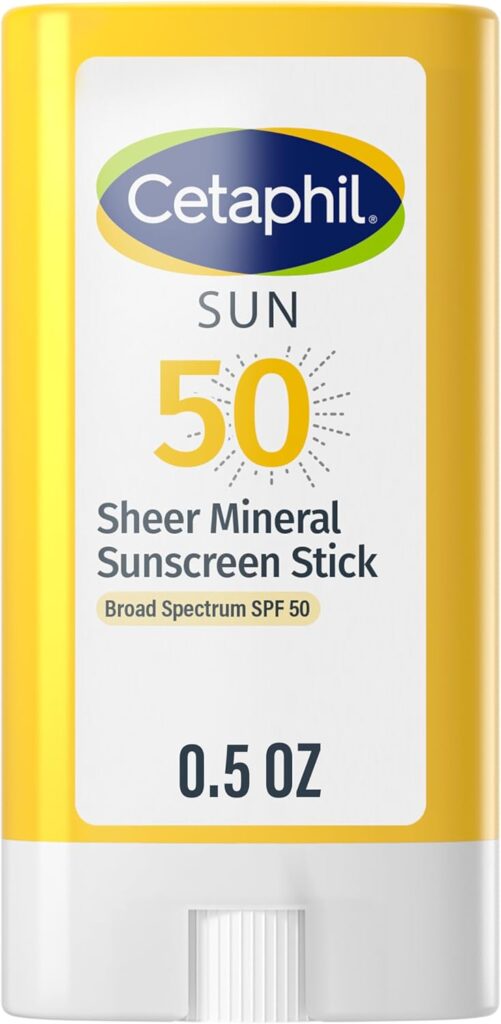
● Cetaphil Sheer Mineral Sunscreen Stick for Face & Body SPF 50:
Thank you for reading this blog! Let us know in the comment section if you find it helpful because I would love to know what you think! And if you enjoyed reading this article, share it with your family and friends.